
Interest in cosmetic dentistry Vietnam is growing among international patients considering veneers, whitening, crowns and bonding. Each procedure addresses different dental concerns, so the right choice depends on tooth condition, desired changes and how much natural structure can be preserved.
This guide compares available procedures, current price ranges, clinic credentials and the practical steps involved before, during and after a visit. Explore the key considerations with Dentist Vietnam before choosing a clinic and planning dental care in Vietnam with confidence.
1. What cosmetic dentistry treatments are available in Vietnam?
Vietnamese clinics offer several cosmetic procedures, but each addresses a different concern. The right option depends on whether the main issue is tooth colour, minor shape defects, structural damage or an uneven gum line, and how much natural tooth structure can be preserved.
1.1 Porcelain veneers
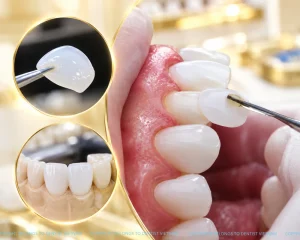
For patients researching cosmetic dentistry Vietnam, porcelain veneers are thin ceramic shells bonded to the front of teeth to change visible colour, shape or size. They can mask permanent stains, small chips, worn edges, slight gaps or mild irregularities in selected cases.
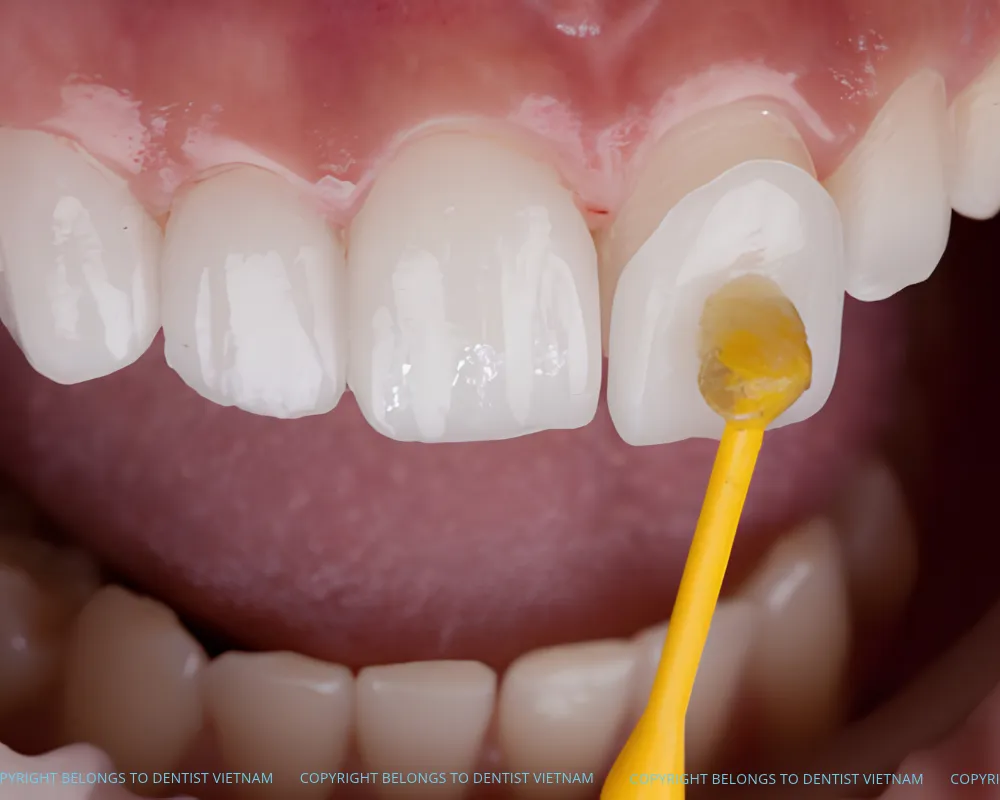
Traditional veneers usually require enamel removal to create room for the ceramic shell. Minimal-prep designs remove less, while no-prep veneers suit only teeth with the right position and shape. Veneers do not straighten crowded teeth or correct significant bite problems, and enamel removal is permanent.
1.2 Professional teeth whitening
Professional whitening is often considered in cosmetic dentistry Vietnam when the main concern is yellowing or stains on natural teeth. In-clinic whitening uses a dentist-applied peroxide gel, while take-home whitening uses custom trays and prescribed gel over several days under a dentist’s supervision for a set period.
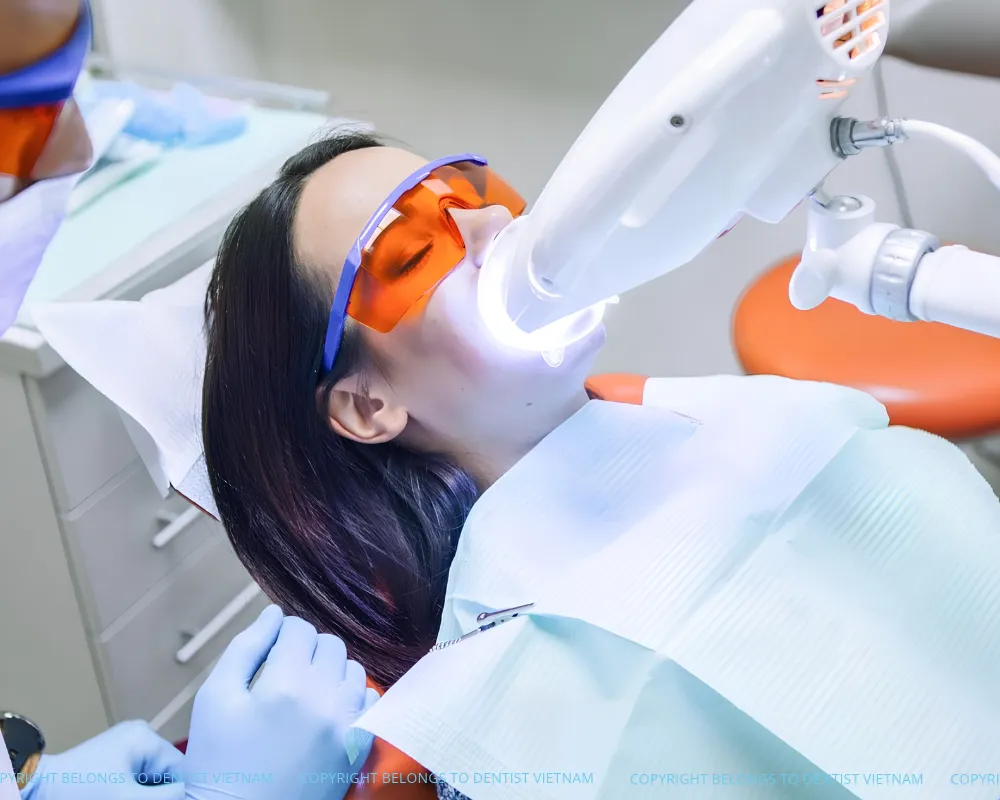
Whitening works best on yellowing and surface stains linked to coffee, tea or smoking. Brown, grey or medication-related discolouration may respond less, and crowns, veneers and fillings will not lighten with natural teeth. Temporary sensitivity or gum irritation can occur, particularly when the gel is overused.
1.3 Cosmetic dental crowns and composite bonding
A crown and composite bonding serve different purposes in cosmetic dentistry Vietnam. A crown covers the entire visible part of a tooth and may be recommended when a large filling, crack or fracture has left too little sound structure for a smaller repair.

Composite bonding adds tooth-coloured resin to a limited area, such as a chipped edge, a small gap or an uneven front tooth. It suits teeth that remain largely sound, but resin can stain or chip and may need polishing or repair over time.
| Comparison | Dental Crowns | Composite Bonding |
| Clinical situation | Cracked or weakened teeth, extensive decay or large existing fillings | Small chips, narrow gaps and uneven tooth edges |
| Area covered | Covers the entire visible part of the tooth | Repairs only the affected edge or surface |
| Tooth preparation | Requires reshaping the tooth to make room for the crown | Usually requires little or no enamel removal |
| Main purpose | Restore the tooth’s structure and protect weakened areas | Improve minor defects while preserving more natural tooth structure |
| Maintenance | Requires regular checks of the crown margin and surrounding gums | Resin may stain or chip and can require polishing or repair |
1.4 Smile makeover and gum contouring
A smile makeover in cosmetic dentistry Vietnam combines selected procedures to address several visible concerns, such as stains, gaps, worn edges or mismatched restorations. The plan should start with checking tooth health and bite, rather than assuming every visible tooth needs a veneer or crown.
Digital Smile Design and a temporary mock-up let patients preview proposed tooth length, shape and smile line before permanent changes are made. Gum contouring reshapes excess or uneven gum tissue, but it cannot correct a gummy smile caused by upper-jaw position or excessive lip movement.
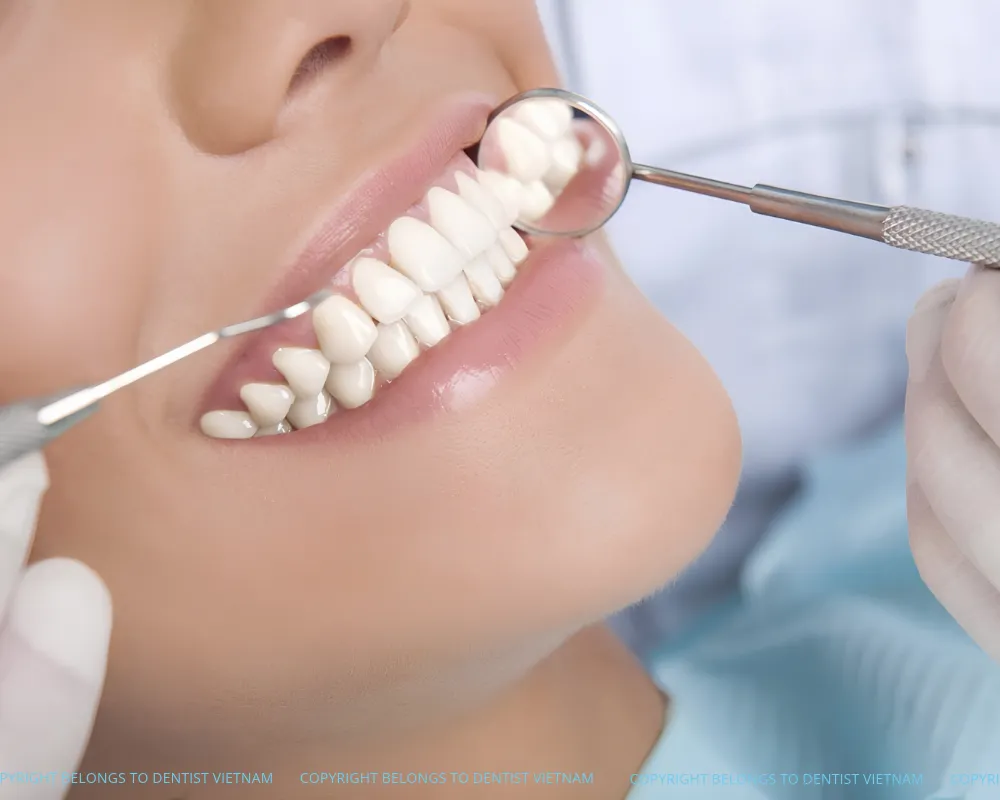
Gum contouring may be considered when:
- Excess gum tissue covers part of otherwise normally positioned teeth.
- An uneven gum margin makes some front teeth appear shorter than others.
2. How much does cosmetic dentistry cost in Vietnam?
The cost of cosmetic dentistry in Vietnam varies by procedure, material and the number of teeth involved. The current market price ranges for common cosmetic dental services are as follows:
| Cosmetic Dental Procedure | Price (USD) | Price (VND) |
| Porcelain veneers (per tooth) | $175-$470 | 4,500,000-12,000,000 |
| Full ceramic or zirconia crowns (per tooth) | $135-$470 | 3,500,000-12,000,000 |
| In-office teeth whitening (per session) | $110-$275 | 2,850,000-7,000,000 |
| Composite bonding (per tooth) | $60-$195 | 1,500,000-5,000,000 |
| Gum contouring (per arch or aesthetic zone) | $95-$155 | 2,400,000-4,000,000 |
Note: Prices are indicative and may vary depending on material quality, the extent of the procedure and individual dental conditions. Gum contouring involving bone reshaping may incur additional costs.
Additional expenses may include:
- Initial consultation and dental examination.
- Panoramic X-rays or 3D CBCT scans.
- Cleaning, fillings or gum care before cosmetic procedures.
- Temporary restorations, laboratory work and follow-up appointments.
3. Why do international patients choose Vietnam for cosmetic dentistry?
International patients consider cosmetic dentistry Vietnam because travelling for dental care can combine scheduled appointments with a visit to the country. This option is most practical when the planned procedures, number of visits and recovery time fit the length of stay, rather than requiring repeated trips back from home.
- Competitive dental prices: Published Vietnam cosmetic dentistry fees place porcelain veneers at VND 4,500,000-12,000,000 per tooth, lower than selected US and Australian clinic quotations for comparable procedures.
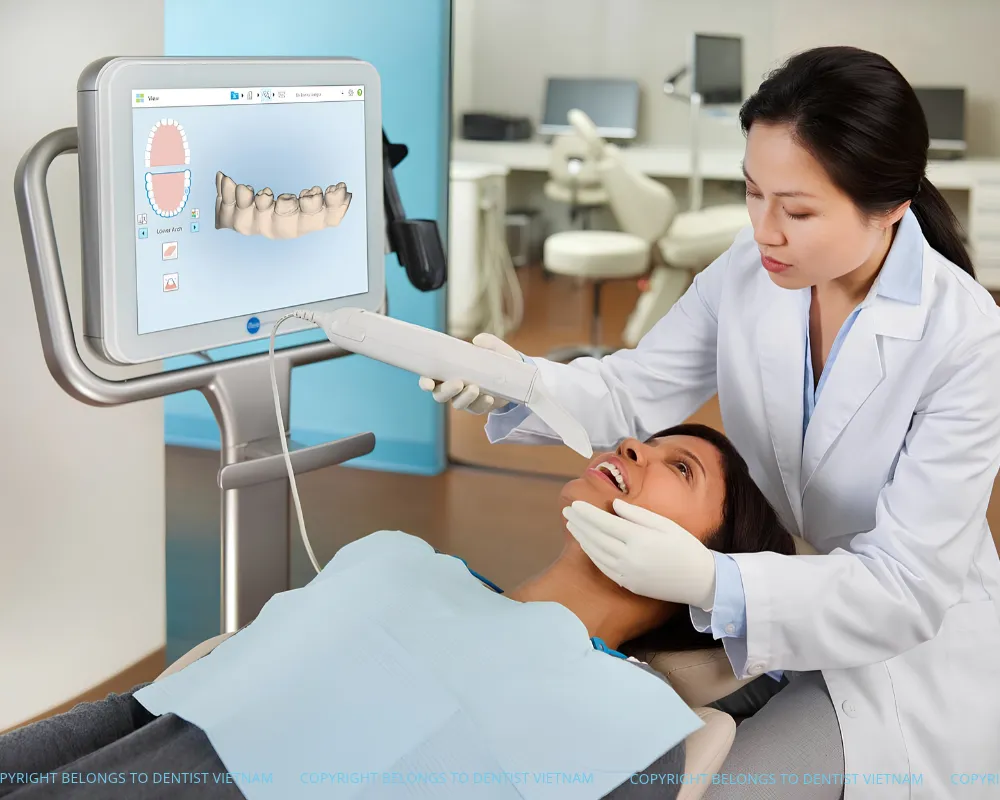
- Advanced dental technology: Some clinics use intraoral scanners for digital impressions, CBCT imaging to assess roots and jawbone, and CAD/CAM systems to design custom ceramic restorations.
- Licensed dental professionals: Vietnamese law requires dental practitioners to hold a practice licence, while cosmetic cases may involve dentists experienced in veneer preparation, crown fitting and bite adjustment.
- Convenient treatment destinations: Clinics offering cosmetic dentistry Vietnam operate in Ho Chi Minh City, Hanoi and Da Nang, all served by international airports for overseas visitors planning multi-appointment dental visits.
4. What should international patients expect during cosmetic dentistry treatment in Vietnam?
For international patients, planning cosmetic dentistry Vietnam involves more than booking a dental appointment. The number of visits, laboratory fabrication time and final checks differ between procedures, so the dental schedule must fit the length of the trip.
4.1 Before travelling to Vietnam
Before departure, patients can send front, side and close-up photographs of their teeth, recent dental X-rays if available, and details of previous dental work. These records help the clinic estimate suitable procedures, the number of teeth involved and preliminary costs, although an in-person examination is still necessary to confirm the plan.
Before booking flights, confirm:
- The proposed procedure, number of teeth and estimated total cost.
- Whether veneers or crowns require laboratory fabrication and temporary restorations.
- The number of appointments and expected interval between visits.
- Whether additional time is needed for gum healing or final adjustments.
4.2 During the dental appointments
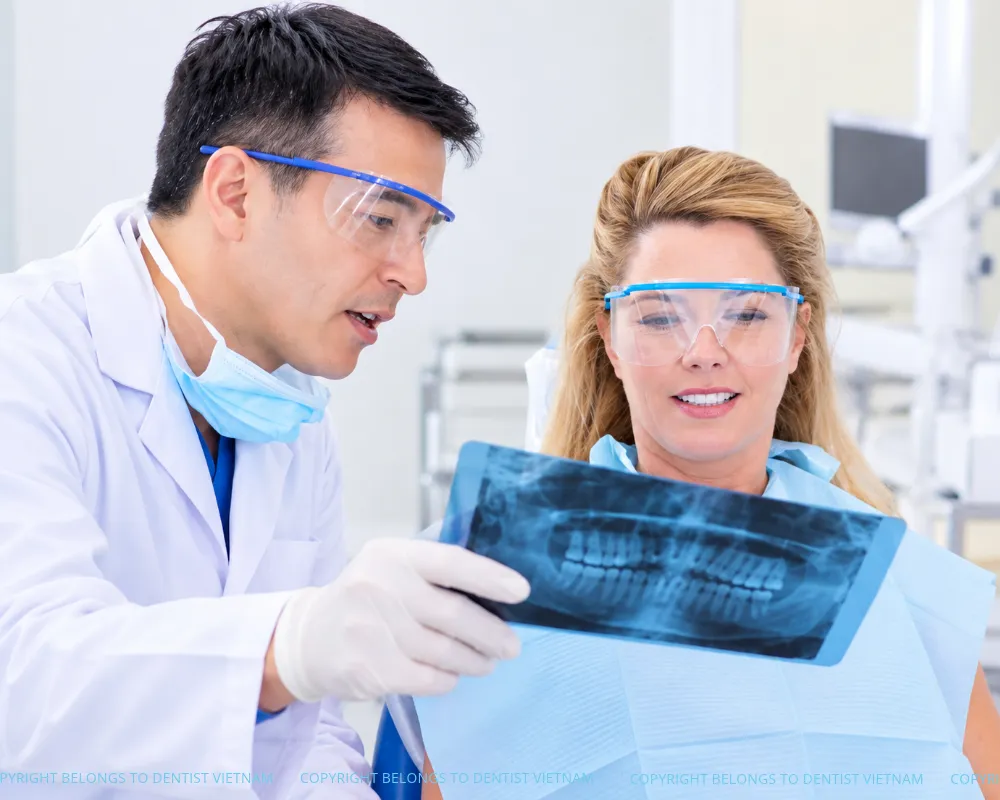
The first visit involves checking cavities, gum health, existing restorations, remaining tooth structure and bite alignment. X-rays or digital scans help identify problems that may affect the planned work, and untreated decay or gum disease may need attention before cosmetic procedures begin.
The process then depends on the selected procedure:
- Veneers and crowns: The dentist confirms tooth shape and shade, prepares the teeth, takes digital impressions and fits temporary restorations when needed. The dental laboratory fabricates the permanent pieces for a later fitting appointment.
- Teeth whitening: The dentist checks existing restorations and tooth sensitivity, protects the gums and applies whitening gel according to the selected system.
- Composite bonding: The dentist selects the resin shade, prepares the affected tooth surface, applies and shapes the material, then polishes the restored area.
- Final fitting: Veneers and crowns are checked for colour, edge fit, contact between teeth and bite alignment before permanent bonding or cementation.
4.3 Aftercare and follow-up support
Before returning home, patients should attend a final examination to check the bite, restoration edges, tooth sensitivity and gum condition. The clinic should provide copies of dental records, X-rays, material details, invoices, warranty documents and written care instructions.
After returning home:
- Follow the recommended brushing, flossing and dietary instructions.
- Arrange follow-up examinations with a local dentist when necessary.
- Contact the Vietnamese clinic if a restoration becomes loose or uncomfortable.
- Seek prompt local dental care for persistent pain, swelling or bite changes.
5. Conclusion
Choosing cosmetic dentistry Vietnam starts with matching the procedure to each tooth’s condition, not selecting the lowest advertised price. Compare itemised fees for veneers, crowns, whitening or bonding, confirm the dentist’s licence and material details, and allow enough time for laboratory work, fitting and final checks. Visit Dentist Vietnam to compare clinics and find a provider for an in-person assessment before travelling abroad for care.